

SoftBank's Revolutionary Robotics Venture Targets $100 Billion Data Center IPO
The technology industry is witnessing an unprecedented convergence of artificial intelligence, robotics, and infrastructure development. In a bold strategic move, Japanese multinational SoftBank is reportedly establishing an innovative robotics enterprise named Roze AI, with ambitions to revolutionize data center construction through automation. The conglomerate's vision extends beyond mere technological advancement, as sources indicate plans for a potential initial public offering (IPO) targeting a staggering $100 billion valuation by late 2026.
Transforming Infrastructure Construction Through Robotics
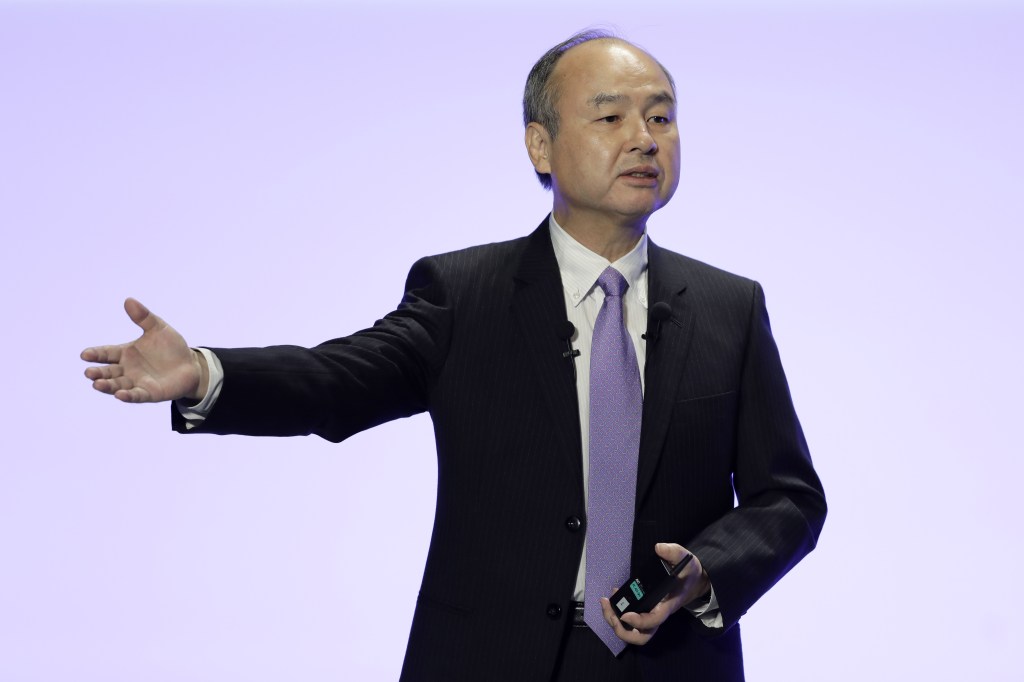
According to exclusive reports from The Financial Times and The Wall Street Journal, Roze AI is designed to address one of the most pressing challenges in the tech industry: the efficient construction of data centers. The company will leverage autonomous robotic systems to streamline the building process of server farms, potentially reducing both costs and construction timelines significantly.
The timing of this initiative couldn't be more critical. As businesses worldwide accelerate their digital transformation journeys, demand for robust data infrastructure has reached unprecedented levels. Traditional construction methods struggle to keep pace with the exponential growth requirements, creating a perfect opportunity for automation to bridge this gap.
Ambitious Financial Projections

What sets Roze AI apart from other startup ventures is not just its technological aspirations but its extraordinary financial ambitions. SoftBank executives are reportedly preparing the company for an IPO as early as the second half of 2026, with a potential valuation reaching $100 billion. This figure positions Roze among the most highly anticipated technology offerings in recent memory.
Despite the excitement surrounding this venture, internal sources indicate that some stakeholders within SoftBank have expressed reservations about both the proposed timeline and valuation expectations. This skepticism reflects the conglomerate's complex relationship with high-risk, high-reward investments—particularly in the rapidly evolving technology sector.
Industry Context: Automation Meets Infrastructure

SoftBank's entry into automated data center construction reflects broader industry trends. Major technology companies are increasingly exploring how AI and robotics can enhance operational efficiency across various sectors. Notably, Amazon founder Jeff Bezos has co-founded Project Prometheus, a venture focused on acquiring industrial firms and implementing AI-driven modernization strategies.
The move also highlights a strategic shift in how technology companies approach infrastructure development. As AI and machine learning become more resource-intensive, the need for scalable, efficient data centers has never been greater. Companies that can build these facilities faster and more cost-effectively may gain significant competitive advantages in the years to come.
SoftBank's Investment Legacy

SoftBank's history in the technology investment space is marked by both spectacular successes and notable failures. The conglomerate has consistently demonstrated a willingness to back innovative ventures that challenge conventional wisdom, often investing substantial sums in early-stage companies with transformative potential.
This strategy has yielded remarkable returns in some cases, while others have resulted in significant losses. The high-profile collapse of Zume, an AI-driven pizza delivery startup that received hundreds of millions from SoftBank before shutting down in 2023, serves as a reminder of the inherent risks in backing ambitious technological ventures.
Despite these challenges, SoftBank's leadership maintains that calculated risks are essential for driving innovation. The development of Roze AI represents the conglomerate's continued commitment to supporting technologies that could reshape entire industries.

Implications for the Future of Technology Investment
The establishment of Roze AI and its ambitious IPO timeline could signal a new era in technology investment, where companies emerge with fully developed business models and clear monetization strategies from inception. This approach contrasts with the traditional venture capital model that focuses on gradual scaling and multiple funding rounds.
Additionally, the intersection of robotics and infrastructure development presents unique opportunities for creating value beyond financial returns. As climate concerns grow, more efficient construction methods could significantly reduce the environmental impact of building data centers—critical facilities that consume enormous amounts of energy and resources.

Looking Ahead
As SoftBank moves forward with Roze AI, the technology industry will be watching closely to see how this ambitious venture unfolds. The success or failure of this experiment could influence investment strategies across multiple sectors, potentially accelerating or dampening enthusiasm for automation-focused startups.
For investors and industry observers, the development of Roze AI represents a fascinating case study in how established technology conglomerates are adapting to an increasingly automated future. Whether the company achieves its lofty financial targets remains to be seen, but its creation underscores the transformative potential of combining robotics with one of the world's most critical infrastructure needs.

As the digital economy continues to expand, innovations like those envisioned by Roze AI may become essential components of our technological landscape—bridging the gap between growing computational demands and the physical infrastructure required to support them.

Your Opinion is valid .