

When a laptop breaks or a battery dies after only a couple of years, most users feel helpless. Framework laptops were created to eliminate that frustration by making every component user‑replaceable.
Founded in January 2020 by Nirav Patel—once a hardware lead at Apple, Oculus, and Meta—Framework’s mission is simple: build devices that endure, and let owners fix or upgrade them without sending them to a repair shop or scrapping the whole machine.
Today the company employs roughly 60 people, ships worldwide to 32 nations, and has secured around $44 million in capital. In 2021, YouTube personality Linus Sebastian invested $225,000, affirming his trust in the brand’s philosophy.
Framework units consistently earn a perfect 10‑point repairability rating from iFixit, the industry benchmark for how easy a device is to service. The inaugural model also earned a “Best Invention of 2021” accolade from TIME magazine.
Each laptop arrives with a screwdriver, and key parts—battery, RAM, storage, and ports—can be swapped out by the user with minimal tools or technical know‑how. The company also sells spare parts on its marketplace, promising availability for no less than five years after a product’s discontinuation.
Recommended Framework laptops
The current lineup spans five offerings: a slim 2‑in‑1, two 13‑inch variants, a larger performance model, and a desktop platform. Below is a product‑by‑product overview.
1. Framework laptop 12
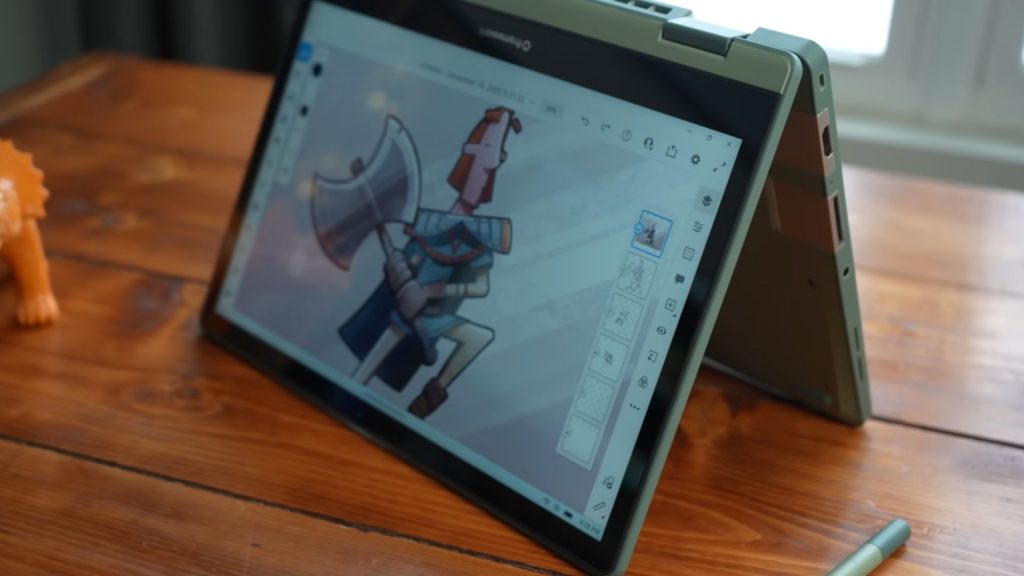
The Framework Laptop 12 stands as the most budget‑friendly and portable option. A 12.2‑inch 2‑in‑1 convertible, its display pivots to full tablet mode. Debuting in 2025, it targets students and everyday users who need a lightweight, versatile device.
Display
- 12.2‑inch panel, 16:10 aspect ratio
- 1920 × 1200 pixel resolution
- 60 Hz refresh rate
- Brightness above 400 nits
- Glossy glass with multi‑touch support (MPP 2.0 & USI 2.0)
Processor & performance
- Intel Core i3‑1315U or Core i5‑1334U (13th‑Gen Raptor Lake)
- No neural processing unit, so not a Copilot+ model
- Three power modes: Performance, Balanced, Efficiency
- Integrated Intel UHD graphics
Memory & storage
- Single SO‑DIMM DDR5 slot, up to 48 GB
- M.2 2230 NVMe slot, up to 2 TB
Battery
- 50 Wh cell
- Battery endurance is the weakest aspect, a compromise of the older Raptor Lake architecture
Build & design
- TPU‑coated plastic chassis engineered for shock resilience
- Dimensions: 287 × 213.88 × 18.45 mm (≈ 11.3 × 8.42 × 0.73 in)
- Color choices: Black, Gray, Lavender, Bubblegum, Sage
- 30‑35 % recycled plastic content
Ports & connectivity
- Four user‑selectable Expansion Card slots plus a 3.5 mm headphone jack
- Cards include USB‑C, USB‑A, HDMI, DisplayPort, Ethernet, MicroSD, SD, and storage cards
- Wi‑Fi 6E and Bluetooth 5.3
Additional features
- 1080p webcam, hardware privacy switch
- Stereo speakers, fingerprint sensor
- Windows 11 on pre‑built models; DIY edition supports Linux and other OSes
Pricing
- DIY Edition: starting at $549 (buyer supplies RAM, storage, OS)
- Pre‑built: from $799 to $849
The DIY option suits those who want to cut costs and are comfortable installing their own components. The pre‑built alternative offers a ready‑to‑use machine out of the box. Stylus accessories come separately.
2. Framework laptop 13 (AMD Ryzen AI 300 Series)
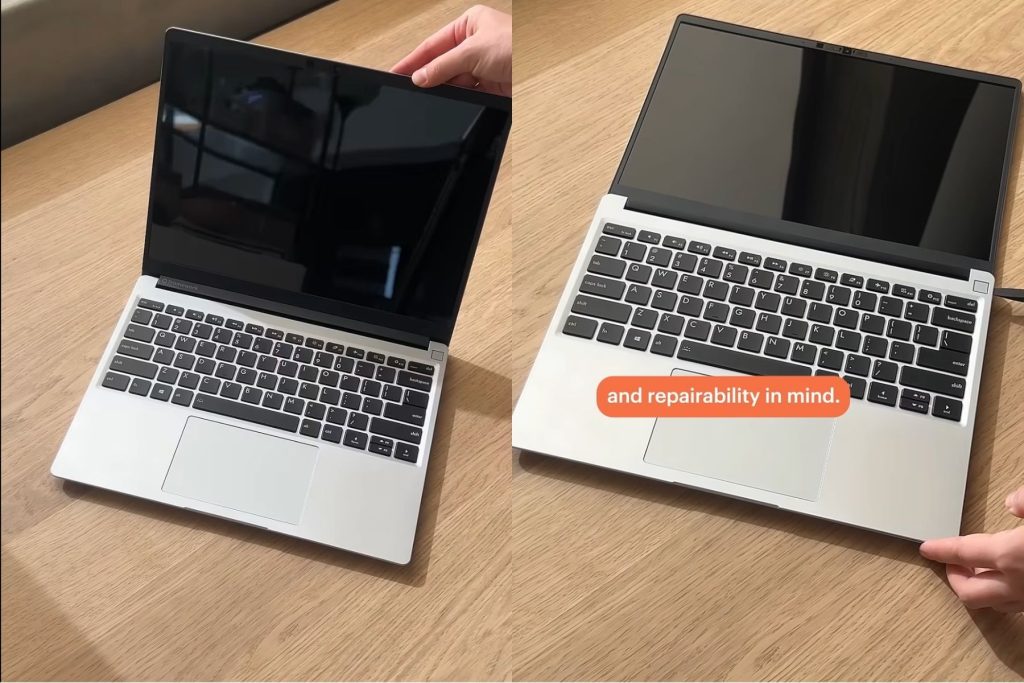
The Framework Laptop 13 is the baseline of the 13‑inch family. Updated in 2025 with AMD Ryzen AI 300‑series processors, it remains the most balanced choice for portable tasks without premium pricing. Ready for shipment, it’s in stock today.
Display
- 13.5‑inch panel, 3:2 ratio for enhanced vertical real estate
- Two resolutions: 2.2K (2256 × 1504, 60 Hz, 400 nits+) or 2.8K (2880 × 1920, 120 Hz, 500 nits+)
- Matte, anti‑glare, full‑sRGB coverage
- No touchscreen
Processor & performance
- AMD Ryzen AI 5 340 (6 core, 12 thread, 4.8 GHz max)
- AMD Ryzen AI 7 350 (8 core, 16 thread, 5.0 GHz max)
- AMD Ryzen AI 9 HX 370 (12 core, 24 thread, 5.1 GHz max)
- Integrated Radeon graphics: 840M, 860M, or 890M depending on CPU
Memory & storage
- Dual SO‑DIMM DDR5‑5600 slots, up to 64 GB
- M.2 2280 NVMe, up to 2 TB (larger drives installable post‑purchase)
Battery
- 61 Wh capacity
- Real‑world usage: roughly 8–11 hours
Build & design
- Aluminum top/bottom covers with magnesium‑aluminum internals
- Dimensions: 296.63 × 228.98 × 15.85 mm (same footprint as Laptop 13 Pro)
- Weight: ~1.3 kg
Ports & connectivity
- Four Expansion Card slots + 3.5 mm audio jack
- Full Compatibility with the Expansion Card ecosystem
- Wi‑Fi 7 via AMD RZ717 and Bluetooth 5.4
Other features
- 1080p webcam, 30 fps, 9.2 MP sensor, 87° field of view
- Hardware privacy switches for camera and mics
- 1.5 mm key travel keyboard, Windows Precision touchpad
- Dual‑array mics, stereo speakers (no Dolby Atmos)
- Fingerprint reader
- Excellent Linux support; Fedora 40 works natively
Pricing
- DIY Edition: from $899 (CPU only)
- Pre‑built: $1,099–$1,199 based on configuration
Due to global shortages of DRAM and NAND storage, prices have trended upward in 2025–2026. Framework attributes these increases solely to supplier cost spikes rather than margin hikes.
3. Framework Laptop 13 Pro
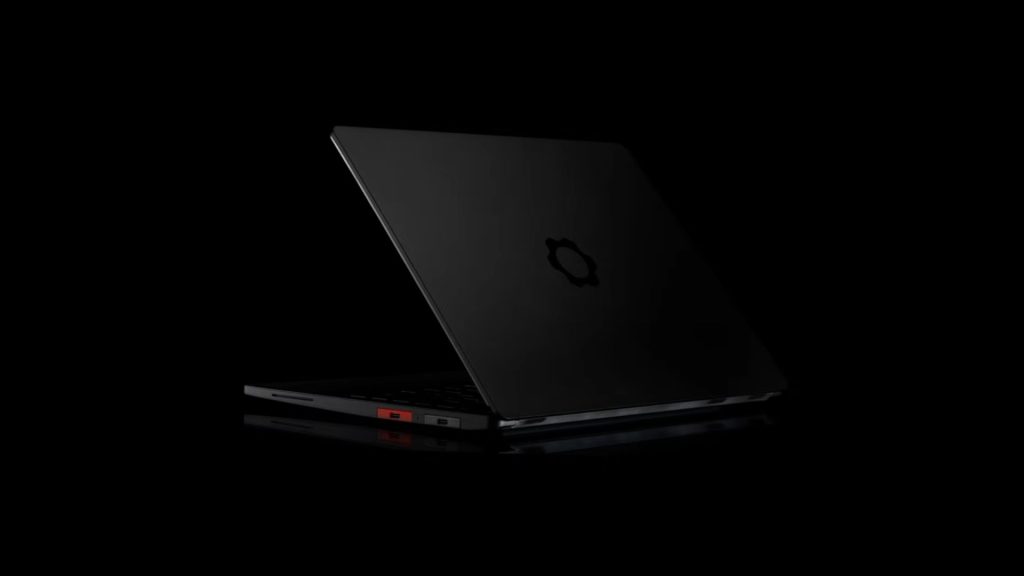
Launch: April 21, 2026, at Framework’s Next‑Gen event. The 13 Pro represents a full redesign of the 13‑inch line and already feels premium, not just functional. Early reviews from Tom’s Hardware and Notebookcheck confirm this leap. First units ship in June 2026, with demand driving some orders into August.
Display
- 13.5‑inch custom LTPS LCD with 3:2 ratio
- 2880 × 1920 resolution, 30–120 Hz variable refresh rate
- Peak brightness up to 700 nits, 1800:1 contrast ratio
- In‑cell touch support (first touchscreen on a 13‑inch Framework device)
- Pre‑shipping unit‑by‑unit color calibration
- Matte anti‑glare finish
Processor & performance
- Intel Core Ultra 5 325, Core Ultra X7 358H, Core Ultra X9 388H (Panther Lake)
- Optionally, AMD Ryzen AI 7 350
- All CPUs include an NPU for on‑device AI tasks
- Intel: Base model uses Intel Xe 3 graphics; X7 and X9 feature Intel Arc B390
- AMD variant uses Radeon graphics
Memory & storage
- LPCAMM2 modules—first Framework laptop with this fast, user‑replaceable format
- Up to 32 GB LPDDR5X at 7467 MT/s (higher capacities forthcoming)
- M.2 2280 NVMe PCIe 5.0 support, 14,000 MB/s read/write, up to 8 TB
Battery
- 74 Wh cell (21% larger than the previous 61.5 Wh)
- Framework claims up to 20 hours on 4K Netflix (250 nits, 60 Hz, Wi‑Fi on)
- Upgraded charger: 60 W → 100 W GaN USB‑C adapter
Build & design
- CNC‑machined chassis from 6063 aluminum (top, input, bottom covers)
- Graphite anodized finish; silver variant for upgrades
- Dimensions: 296.63 × 228.98 × 15.85 mm
- Weight: 1.4 kg (≈ 3.09 lb)
- Same external footprint as previous 13‑inch models, simplifying upgrades
Ports & connectivity
- Four Expansion Card slots + 3.5 mm combo headphone jack
- Thunderbolt 4 on all Intel variants (no Thunderbolt 5)
- Card options: USB‑C, USB‑A, HDMI, DisplayPort, Ethernet, MicroSD, SD, 250 GB/1 TB storage cards
- Optional 10 GbE Expansion Card (WisdPi)
- Wi‑Fi 7 via Intel BE211; Bluetooth 5.4
Input
- Haptic touchpad with four piezoelectric actuators (first on a 13‑inch Framework)
- 124.0 × 77.0 mm active area, adjustable feedback
- Keyboard: 1.5 mm key travel, new color options
- Fingerprint reader supports Windows Hello and Linux libfprint
Other features
- 1080p 30 fps webcam, 9.2 MP OmniVision sensor, 87° field, 5‑element lens
- Hardware privacy switches that sever power to camera and mics
- Side‑firing stereo speakers with Dolby Atmos (first Framework to offer this)
- First Ubuntu‑Certified laptop; ships with Ubuntu or Windows 11; DIY edition opens to any OS

Your Opinion is valid .